




.svg)
Global supply chains are the arteries of modern commerce, yet they remain susceptible to disruption, inefficiency, and human error. Recent global events have exposed the fragility of these complex networks, forcing enterprise leaders to seek a new paradigm for operational resilience. The solution lies in building autonomous supply chains, intelligent systems that leverage automation, artificial intelligence, and robotics to manage logistics with minimal human intervention.
This transition is not about incremental improvements; it represents a fundamental restructuring of how goods are sourced, managed, and delivered. An autonomous supply chain can anticipate disruptions, self-correct in real-time, and optimize operations at a speed and scale beyond human capability. For organizations, embracing this technological shift is a strategic imperative for securing a lasting competitive advantage.
The Core Technologies Driving Autonomy
The autonomous supply chain is not a single technology but an integrated ecosystem of advanced systems working in concert. These components create a self-learning, self-healing logistics network capable of unprecedented efficiency and resilience.
Artificial Intelligence and Predictive Analytics
At the heart of the autonomous supply chain lies artificial intelligence. AI-powered platforms analyze vast datasets from across the entire logistics network, including supplier performance, weather patterns, geopolitical events, and consumer demand signals. By identifying patterns and correlations, machine learning models can generate highly accurate forecasts.
This predictive capability allows the supply chain to move from a reactive to a proactive posture. Instead of responding to a disruption after it occurs, the system can anticipate a potential bottleneck—such as a port closure or a supplier delay—and automatically reroute shipments or adjust inventory levels to mitigate the impact before it materializes.
Robotics and Warehouse Automation
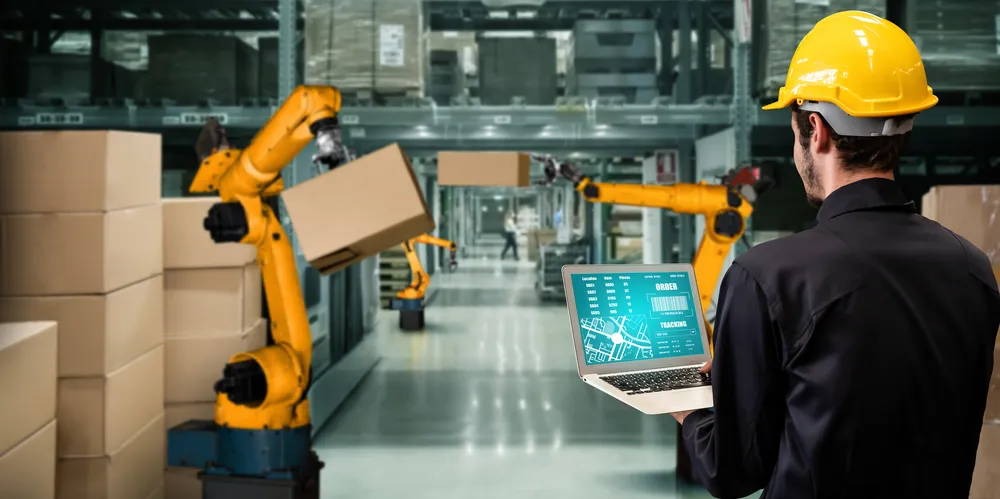
The modern warehouse is being transformed from a manual labor center into a highly automated hub of activity. Autonomous mobile robots (AMRs) navigate fulfillment centers to transport goods, while robotic arms perform picking and packing duties with precision and speed. These systems operate around the clock, dramatically increasing throughput and reducing order fulfillment times.
The impact of this shift is substantial. Industry analysis indicates that the warehouse automation market is expected to experience significant growth, expanding at a compound annual growth rate of over 14% through the end of the decade. This investment reflects the clear value proposition of reduced labor costs, improved worker safety, and enhanced operational efficiency.
Autonomous Vehicles and Drones
The final-mile and long-haul segments of logistics are on the verge of a driverless revolution. Autonomous trucks, capable of operating for long stretches without a human driver, promise to reduce transit times, lower fuel costs, and alleviate driver shortages. These vehicles can travel at optimal speeds and operate continuously, creating a more efficient and predictable transportation network.
For last-mile delivery, autonomous drones and sidewalk robots offer a solution for delivering packages directly to consumers quickly and cost-effectively. While regulatory hurdles remain, pilot programs are proving the viability of these technologies for transforming the most expensive and complex part of the delivery journey.
Applications and Benefits of the Autonomous Model
The integration of these technologies creates a supply chain that is more intelligent, agile, and efficient. The benefits extend across every node of the logistics network, delivering tangible value to the enterprise.
Enhanced Efficiency and Productivity
Automation eliminates manual, repetitive tasks, freeing human workers to focus on higher-value activities like strategic planning and customer relationship management. Robotic systems in warehouses can pick and pack orders significantly faster and more accurately than human counterparts, reducing errors and accelerating fulfillment cycles. Autonomous trucks can optimize routes and driving patterns for fuel efficiency, lowering operational costs.
Unprecedented Resilience and Agility
An autonomous supply chain is inherently more resilient. When a disruption occurs, AI algorithms can instantly analyze the situation and model thousands of potential solutions to find the optimal alternative. This allows the network to adapt in real-time, rerouting shipments around a natural disaster or shifting production to an alternative supplier without the delays associated with human decision-making. This agility ensures business continuity in an increasingly volatile world.
Improved Visibility and Data-Driven Decisions
By connecting every component of the supply chain through a unified digital platform, organizations gain end-to-end visibility. Sensors on shipments, GPS tracking on vehicles, and inventory data from automated warehouses provide a constant stream of real-time information. This data feeds into AI platforms, providing leaders with a clear, accurate picture of the entire operation and enabling more strategic, data-driven decisions.
Navigating the Challenges of Implementation
Transitioning to an autonomous supply chain is a complex undertaking with significant challenges. Acknowledging and planning for these hurdles is essential for a successful transformation.
High Initial Investment: The cost of implementing robotics, AI platforms, and autonomous vehicles is substantial. Organizations must view this as a long-term capital investment and build a clear business case demonstrating the return on investment through improved efficiency, reduced costs, and enhanced resilience.
Systems Integration: An autonomous supply chain requires seamless integration between dozens of different systems, from legacy enterprise resource planning (ERP) software to modern IoT sensors. A lack of interoperability can create data silos and undermine the effectiveness of the entire system.
Workforce Transition and Skills Gap: The rise of automation will inevitably displace certain job roles while creating new ones. Roles in robotics maintenance, data science, and AI supervision will become critical. Organizations have a responsibility to invest in reskilling and upskilling programs to prepare their workforce for this new operational reality.
Strategies for a Successful Transition
Adopting autonomous technologies requires a clear vision and a phased, strategic approach. Organizations that succeed will be those that plan meticulously for this transformation.
1. Develop a Comprehensive Roadmap: Begin with a thorough audit of your existing supply chain to identify the areas with the most significant potential for improvement through automation. Create a phased implementation roadmap that starts with high-impact pilot projects and scales progressively.
2. Prioritize Data Infrastructure: An autonomous supply chain runs on data. Invest in building a robust, clean, and accessible data infrastructure. Ensure that data can flow freely between different systems to provide the holistic view necessary for AI-driven decision-making.
3. Foster a Culture of Innovation: The transition to an autonomous supply chain is as much a cultural shift as it is a technological one. Encourage a mindset of continuous improvement and adaptation. Empower your teams to experiment with new technologies and processes.
4. Focus on Human-Machine Collaboration: Frame automation not as a replacement for human workers, but as a tool to augment their capabilities. Design workflows where humans and machines collaborate, with robots handling the physical tasks and people providing the strategic oversight and problem-solving skills.
The autonomous supply chain is the future of global logistics. By harnessing the power of AI, robotics, and automation, businesses can build networks that are not only more efficient and cost-effective but also fundamentally more resilient to the challenges of a dynamic world. The journey is complex, but the strategic rewards for those who lead this transformation will be immense.